Art has always been more than decoration or entertainment. Across history and civilizations, it has served as a powerful means of communication, capable of expressing what words often cannot. Long before spoken and written languages emerged, humans used images, movement, sound, and symbols to tell stories, preserve memory, and share meaning. In this sense, art functions as a universal human language—one that transcends borders, cultures, and time.
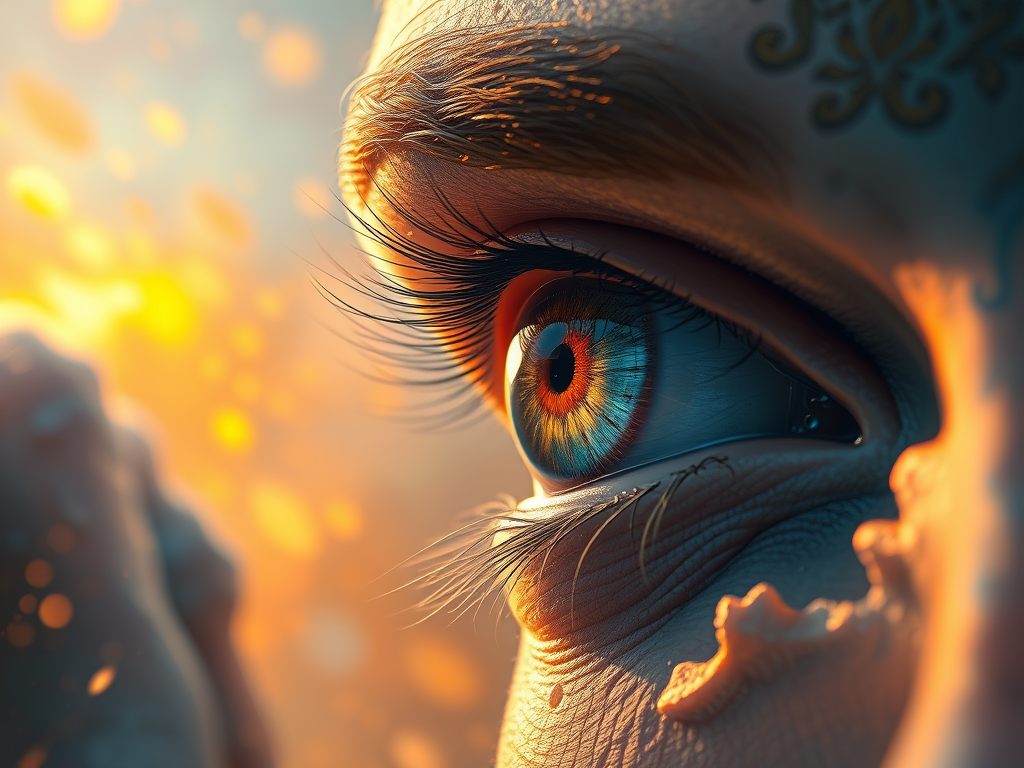
Art Beyond Words
One of art’s most remarkable qualities is its ability to communicate without relying on spoken language. A painting can evoke emotion in someone who does not know the artist’s culture. A piece of music can move listeners regardless of the language they speak. A dance performance can convey joy, grief, resistance, or celebration through movement alone. Art speaks directly to the senses and emotions, making it accessible to all.
Because art does not depend on grammar or vocabulary, it creates immediate connections. It allows people from different backgrounds to understand and feel something shared, even when their life experiences are vastly different.
Art as a Reflection of Human Experience
Art matters because it reflects who we are. Throughout history, artists have used their work to document daily life, spiritual beliefs, political struggles, and social change. From ancient murals and religious icons to protest songs and contemporary installations, art captures the essence of human experience.
In times of conflict or transformation, art often becomes a voice for those who are unheard. It can express resistance, hope, pain, and resilience. Through art, individuals and communities assert their identities and preserve their stories for future generations.
Art and Emotional Connection
Art creates emotional bridges between people. A poem can articulate feelings that readers did not know how to name. A photograph can awaken empathy for lives and realities far removed from our own. Music can comfort, energize, or heal.
This emotional dimension is what gives art its universal power. While interpretations may differ, the emotional response art evokes connects people on a deeply human level. Art reminds us that emotions such as love, fear, joy, and sorrow are shared across cultures.
Art as Cultural Memory and Heritage

Art also plays a crucial role in preserving cultural memory. Traditional music, dance, crafts, and storytelling pass knowledge from one generation to the next. Architecture and visual symbols reflect values, beliefs, and historical moments.
By studying art, we learn how civilizations lived, what they valued, and how they understood the world. Art becomes a living archive of human history, ensuring that cultural identities are not lost to time.
Art in the Modern World
In today’s globalized and digital world, art continues to evolve as a universal language. Social media, film, and digital platforms allow artistic expressions to travel instantly across continents. Contemporary artists address global issues such as climate change, inequality, migration, and technology, using art to spark dialogue and awareness.
Even in everyday life, art shapes how we experience the world—from design and fashion to music and visual storytelling. It influences how we think, feel, and connect with others.
Why Art Truly Matters
Art matters because it humanizes us. It helps us understand ourselves and others beyond differences of language, culture, or belief. It fosters empathy, encourages reflection, and invites dialogue. In a divided world, art offers common ground—a shared space where humanity can meet.
As a universal human language, art reminds us that creativity is not a luxury but a fundamental part of being human. It connects past and present, individual and collective, local and global. Through art, we continue to speak, listen, and understand one another in the most profound ways possible.


 EXPR'ART
Leave a comment